How to Make a Garden Pond for Herons and Wildlife
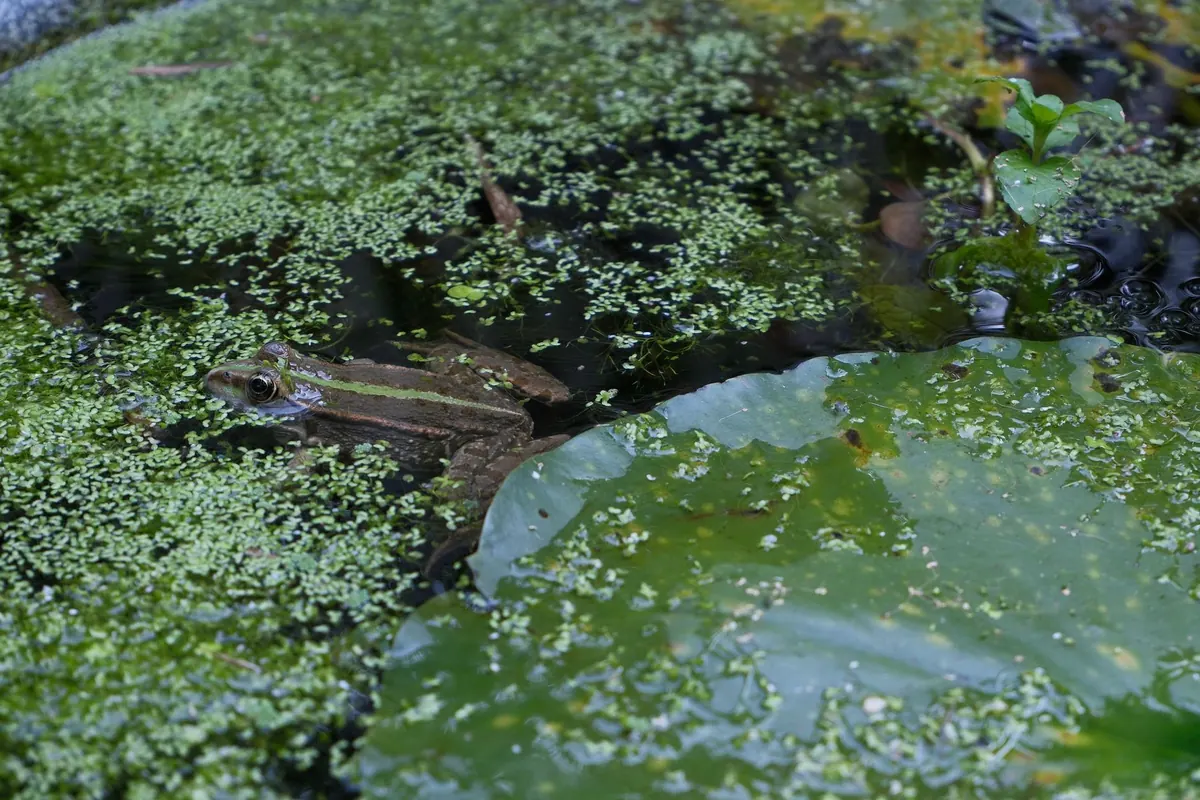
A pond changes a garden. Fill one and within a season you will have damselflies, water beetles, frogs, and bats hunting over the surface at dusk. Give it another year and a grey heron may find it too, standing at the margin with enormous patience, waiting for a fish to make a mistake. For some gardeners that arrival comes as a shock. It need not. Build the pond with the heron in mind and you get the whole food web, not just the fish.
Why Herons Visit Garden Ponds
Grey herons are adaptable and quick to learn. A garden pond is shallow, clear and often stocked: far easier fishing than a river in spate. Herons also take frogs, newts, dragonfly larvae, water beetles and the occasional small mammal, so fish are not essential to hold their interest. A heron on your lawn means the water is alive, which is rather the point.
Watch one for an hour and you will see the trade it makes. It will stand motionless on a shelf for ten minutes, then spear a single fish and swallow it in one motion. It rarely empties a pond. What it does is keep numbers honest, thinning shoals and picking off the slow and the sickly, which is roughly what a predator should do.
If you keep ornamental fish, expect some losses and design around them. Remember too that herons are protected as wild birds in the UK: frightening one away is one thing, injuring it or interfering with a nest is quite another. Any deterrent you use should be harmless as well as legal.
Choosing the Site
Most of the work is in the choosing, not the digging.
- Sun: aim for six hours or more of direct sunlight. Some afternoon shade helps limit algae, but a pond in deep shade will be dull and lifeless.
- Water: avoid the lowest point in the garden if it floods, and keep clear of runoff from driveways, patios and fertilised beds.
- Views: put the pond where you can see it from a window. You will notice far more of what visits.
- Access: leave room to reach every side with a net and a rake. You will need to.
- Safety: if there are toddlers about, a raised pond or a fence is the sensible answer. Any open water deserves supervision.
One more consideration worth thinking about early: mature trees. Leaves are the enemy of clean water, and a pond under a willow or a sycamore will spend every autumn filling up with debris. Either site the pond upwind of the worst of them or budget for a net and a good deal of scooping.
Size, Depth and Edges
Bigger is easier. A pond of three metres by two will support more life and need less tinkering than a barrel, but even a metre and a half by a metre is worth having. Depth matters more than area, and a pond built in layers suits herons and everything else.
Plan three zones. A shallow shelf of ten to twenty centimetres where birds drink and bathe. A wading shelf of roughly twenty-five to forty centimetres, wide enough for a heron to stand in comfortably. And a central basin sixty to seventy-five centimetres deep. That deepest water stays cool in summer and rarely freezes solid, which is where frogs, newts and dragonfly nymphs spend the winter.
Line the pond with butyl rubber over a proper underlay, or with a preformed liner if the shape is simple. Leave one or two gently sloping edges where hedgehogs, frogs and beetles can climb out; a pond with vertical sides all round is a trap. A length of roughened timber or a stone ramp in a corner does the same job if you want clean lines.
Planting in Layers
Plants do the heavy lifting. They shade the water, take up nutrients that would otherwise feed algae, and give cover to everything from tadpoles to hunting herons. Work in layers, matching each plant to its depth.
- Marginals sit at the edge with their roots in shallow water: marsh marigold, water mint, purple loosestrife, yellow flag iris. They soften the rim and give amphibians a route in and out.
- Oxygenators live submerged: hornwort, water milfoil, curled pondweed. They are not a magic cure for algae, but they add oxygen and shelter small creatures.
- Floating leaves such as water lilies and frogbit shade the surface and hide fish and frogs from above. Keep them to about a third of the surface at most.
- Emergents add height: rushes, sedges, reed mace. Dragonflies use them as perches and larvae climb their stems to emerge.
Plant in baskets of garden soil topped with gravel, or straight into a sandy substrate if there are no fish to root about. Avoid rich compost and fertiliser, which leak nutrients into the water and feed blanketweed. Native species are best for wildlife, and check before buying anything invasive: floating pennywort and water fern are a serious nuisance once established.
Fish, or No Fish
You do not have to choose, but it helps to be honest about it. A pond without fish will hold far more frogs, newts, dragonflies and invertebrates, because fish eat larvae and tadpoles and stir up sediment until the water clouds. If you want a wildlife pond first and foremost, leave the fish out.
If fish are the priority, provide depth, planted shelves and somewhere to hide, and never overstock. A heron standing in a bare, shallow pond with nowhere for a fish to retreat is a heron that will be back tomorrow morning.
Deterrents That Work, and Those That Don't
Herons have long legs and longer patience. Most garden deterrents work only until the bird gets used to them, so treat any single method as temporary.
- Depth and steep sides help: a heron cannot fish water it cannot wade into, though it will still hunt from the margin.
- Cover over part of the surface, whether a net, criss-crossed lines just above the water or a raft of floating leaves, makes fishing awkward.
- Planting that breaks the heron's line of sight and gives fish escape routes does more than any plastic decoy.
- Movement and noise, from a timed sprinkler to flapping tape, can work briefly if you vary it.
- Never use anything that could entangle or injure a bird. Herons are protected, so check the law before you act.
Think of a heron as a sign that your pond is working, not as a fault you need to fix.
The First Year and Beyond
A new pond usually turns green in its first spring. This is normal. It is the water balancing itself, with algae feeding on nutrients released by fresh soil, tap water and decaying plant matter. Resist the urge to drain and start again. More plants, fewer nutrients and a little patience are the cure.
Life arrives faster than you expect. Damselflies and diving beetles often appear within weeks, carried in on the wind or as eggs on bought plants. Frogs follow in the first spring, newts within a year or two. Dragonflies take longer, sometimes three years, because their larvae need deep water and the shelter of a mature pond. Bats will use the water for drinking and hunting almost as soon as there are insects over it.
Keep maintenance light-handed. Cut back excess growth in autumn but leave some stems standing for larvae to climb. Net fallen leaves before they rot, and top up with rainwater rather than tap water where you can. Above all, keep pesticides and fertiliser well away from the pond and its surrounding ground.
Do all of that and the pond largely runs itself. You will spend the first summer watching it settle, the second watching what moves in, and every summer after that standing at the window with a cup of tea, waiting to see whether the heron comes back.
Photo: Tess h. / Pexels