How to Plan a Birdwatching Nature Trail: Route, Timing and Kit
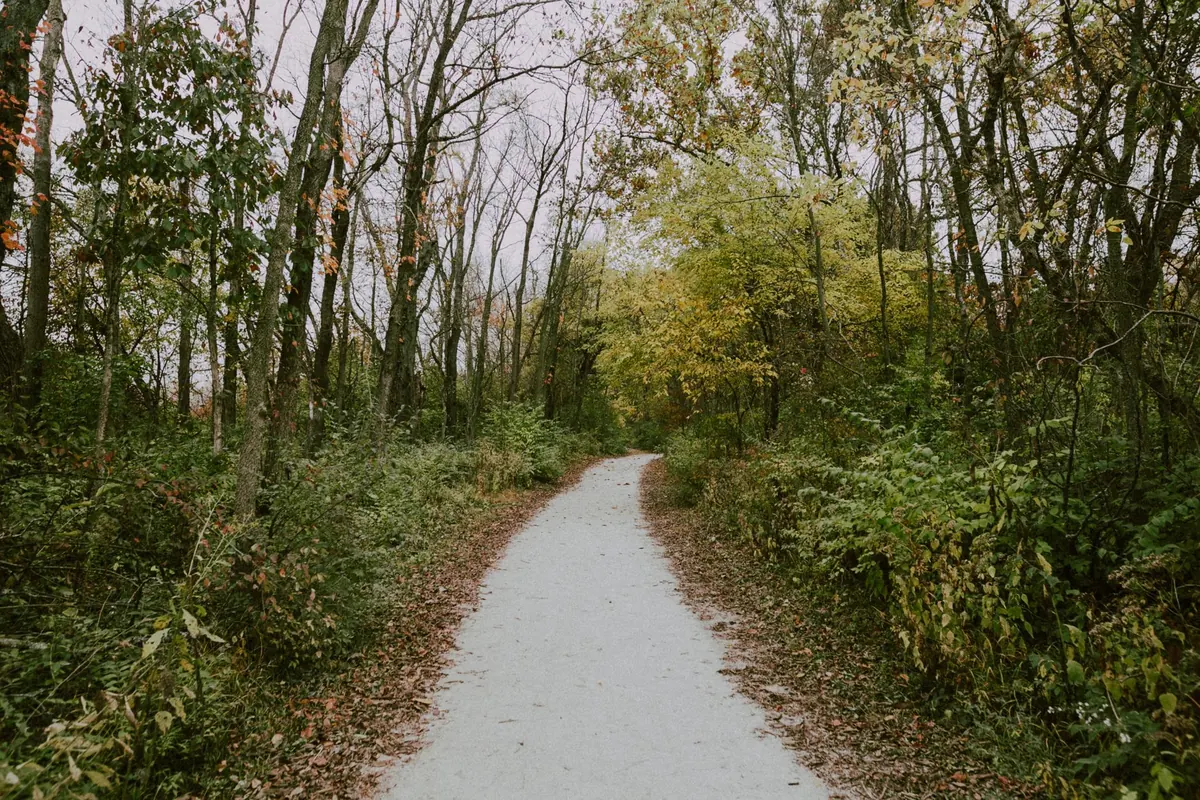
A trail is not just a line on a map. It is a set of decisions: which habitat you want to spend three hours in, when the light and the tide will be on your side, and how far you are willing to carry a scope. Get those decisions roughly right and even a quiet morning produces something worth writing down. Get them wrong and you will spend a beautiful day walking past birds you never knew were there.
Start with the habitat, not the site
Most people begin with a place: a reserve they have heard about, a stretch of coast from a photograph. It is more productive to begin with a habitat. Decide what you want to watch — waders on an estuary, warblers in a reedbed, woodpeckers in old broadleaved woodland, finches along a weedy field margin — and then find somewhere within reach that holds it.
County bird reports and local bird club websites are the best starting point, because they tell you what is being seen this month rather than what was there a decade ago. Wildlife trust reserve pages give access details, parking and any seasonal closures. A quick look at the relevant Ordnance Survey sheet shows you footpaths, permissive paths and whether the trail is a proper path at all.
Ring-fence the practicalities before you get excited about the birds: where you will park, whether there is a gate or stile, whether livestock are grazing, and whether part of the site is closed during the breeding season. Half an hour of this saves an hour of frustration.
Read the map before you walk it
On paper, choose a route that changes habitat within a short distance. A two-kilometre loop passing through wet woodland, a scrubby edge, an open field and a stretch of water will show you more birds than a five-kilometre trudge through a uniform conifer block, even though the second looks more impressive on the page.
Contours are worth a second look. A path that drops into a sheltered valley bottom will feel warmer and quieter on a windy day; a ridge path gives visibility but little close cover. Water is always worth a detour — streams, ditches, flashes and muddy gateways all concentrate insects and, in turn, birds.
Aim for a loop rather than an out-and-back, and note where you could cut the walk short if the weather turns. Two to four kilometres is a sensible target for a focused birdwatching walk; you will cover it in roughly two hours once you allow for stopping, and stopping is the whole point.
Read the habitat as you go
Once you are on the trail, stop treating the view as scenery. Think in layers: what is on the ground, what sits at knee and waist height, what is in the canopy, and what is moving through the air.
Look for edges
The junction between two habitats is usually the busiest part of any walk. A hedgerow beside a cereal field, a strip of scrub between woodland and pasture, the last few metres of reed before open water — these are places where food, cover and songposts all sit within a few strides of each other. Walk the edge slowly, then walk it back.
Watch the light and the wind
Early in the day, the sun-facing side of a hedge warms first, and the insects and birds that feed on them follow. In a stiff westerly, the sheltered eastern side of a wood will be noticeably busier. Pick your side deliberately rather than pushing straight through.
Take the water seriously
Even a flooded ditch or a cattle trough pulls birds in. Scan any open water properly, including the margins and the muddy patches, before moving on.
Time it properly
Timing does more for your list than any piece of equipment.
Season sets the possibilities. April and May bring passage migrants and the dawn chorus at its loudest; late summer and early autumn bring waders and the first returning wildfowl; winter concentrates birds on wetlands and estuaries when the trees are bare and visibility is at its best.
Time of day matters almost as much. The first two hours after sunrise are the most productive for songbirds; the last hour before dusk is often better for owls, wildfowl moving to roost and gatherings of waders. Mid-afternoon in July is rarely worth the effort.
Tide comes first if you are walking an estuary or tidal river. Check the tide table before anything else. A rising tide pushes waders and wildfowl closer to the shore and into a smaller area, which is good for watching; a falling tide draws them out across mud you cannot reach. Aim to be in position a couple of hours before high water.
Weather is mostly a matter of comfort. Calm, dry, overcast mornings are excellent. Wind and heavy rain quieten most birds, though a spell of poor weather can produce a fall of migrants once it clears.
Pack for the walk you are actually doing
Kit should match the route, not your ambitions. A short reserve loop needs very little; a long estuary walk in January needs layers, a flask and decent boots.
- Binoculars you can hold steady — 8x42 or 10x42 are the usual choices. A scope is only worth carrying if you have something to sit on and a long view to scan.
- A compact field guide or an offline app, plus a notebook or recording app for what you actually see.
- Waterproof jacket and trousers, whatever the forecast says.
- Boots or wellingtons; many good trails are muddy from October to April.
- Water, a snack and a sit mat. Standing still is cold work.
- Spare battery or power bank if your phone is doing guide duty.
- Sunscreen and insect repellent in summer; hat and gloves in winter.
- A foldable bag for wet gear, and a lens cloth.
Leave some room in the bag. If it is heavy, you will walk faster and stop less.
Walk slowly and keep a record
The most common mistake on a birdwatching trail is covering it too quickly. A good rhythm is twenty minutes of slow walking, then five minutes of standing still with your binoculars down, listening. Birds give themselves away by sound far more often than by sight, and a bird that has just stopped moving is often the one that pops up into view.
Keep a rough record, even if it is only a few lines. Note the time, the weather, the tide and roughly where you were for anything interesting. After three or four visits you will start to see patterns — the corner where a warbler always sings, the pool that holds a heron at dawn — and your next walk will be better planned than the last.
The night before: a five-minute check
Run through this before bed, not in the car park.
- Check the forecast, sunrise time and, on the coast, the tide.
- Confirm the site is open and you know where to park.
- Charge the phone, fill the flask and pack the bag.
- Tell someone where you are going and roughly when you will be back; mobile coverage is patchy on many good trails.
- Look at the latest sightings for the area so you know what is around.
Finally, give wildlife the room it needs. Keep to paths where asked, stay well back from nests and roosts, follow any reserve guidance about seasonal closures, and put the welfare of the bird ahead of the tick. If you are walking alone in remote country, leave your route with someone and carry enough to stay warm and dry if the weather changes.
Photo: K / Pexels